
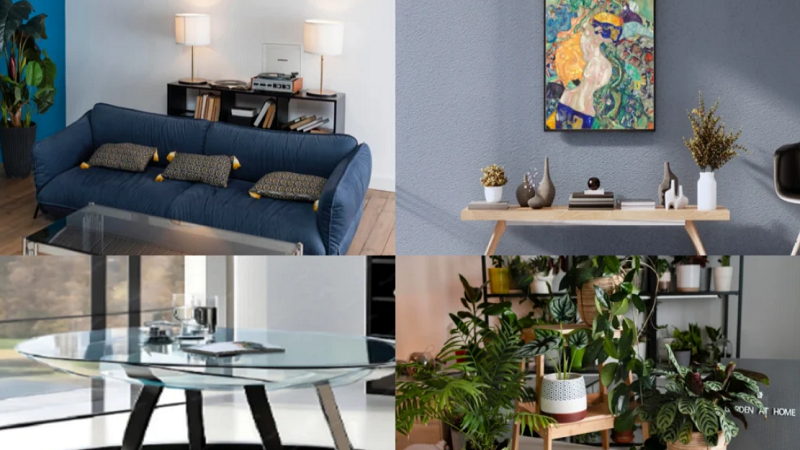
Designing a home can become confusing when every room has different needs. The simplest approach is to start with how you live, not what is trending. DrHomey’s published interior-design material repeatedly connects good design with functionality, personalization, space planning, lighting, and thoughtful material choices.
That makes the keyword “drhomey advice on designing” primarily informational. Searchers are likely looking for practical guidance they can apply to their own homes. This guide turns those ideas into a straightforward design process.
What Does DrHomey Advice on Designing Mean?
DrHomey advice on designing can be understood as a practical approach to creating spaces that balance appearance with everyday use. The official DrHomey site has published material covering interior design, lighting, furniture, space planning, plants, and different design styles. One recurring idea is that a room should work for the people using it.
That means your furniture, lighting, colors, storage, and decorative choices should support the room’s purpose. A beautiful living room is less useful if people cannot move comfortably through it. A stylish home office also fails if the desk, lighting, and storage make working difficult.
The practical lesson is simple: design around daily life first, then refine the appearance.
Start With the Purpose of Each Room
Before choosing paint or furniture, ask one question:
What will people actually do in this room?
A living room might need space for conversation, television, reading, children, or several activities at once. A bedroom has different priorities. Comfort, privacy, storage, and suitable lighting may matter more than decoration.
The same principle applies to kitchens and home offices. Write down the main activities for each space before buying anything. Then make design decisions that support those activities. This prevents a common mistake: buying attractive items first and trying to make the room work around them.
Measure Before You Buy Furniture
Furniture size can completely change how a room feels. A large sofa may look impressive in a showroom but overwhelm a small living room. A tiny rug can also make otherwise suitable furniture appear disconnected. Before purchasing anything significant, measure:
- Room length and width
- Door openings
- Window locations
- Walkways
- Existing furniture
- Radiators and other fixed features
Then consider how people will move through the room. A useful design plan leaves clear routes between important areas.
Do not design only from a photograph. Design from the actual dimensions of the room.
Think About Furniture Layout Before Decoration
Furniture placement should establish the room’s structure. Start with the largest pieces. Once the main piece is positioned, add secondary furniture around it. The goal is not perfect symmetry. The goal is comfortable movement and a clear visual focus.
DrHomey’s published design material emphasizes space planning and functional layouts, which supports this approach.
Use Lighting as Part of the Design
Lighting is often treated as something added at the end. That can be a mistake. Lighting influences how colors, textures, furniture, and architectural details appear. A useful starting point is to think about three jobs:
Ambient lighting
This provides general illumination for the room.
Task lighting
This helps with activities such as reading, cooking, working, or applying makeup.
Accent lighting
This can highlight artwork, shelving, plants, architectural features, or other focal points.DrHomey’s own interior-design archive includes guidance on layered lighting and residential lighting design.
Community discussions among interior-design users also commonly recommend planning lighting around activities rather than simply filling the ceiling with fixtures. A practical rule is to decide where people need light before deciding where the fixtures should go.
Choose Colors Based on the Room
Color should support the atmosphere you want. That does not mean every room needs to be neutral. Instead, consider how the color interacts with:
- Natural light
- Artificial lighting
- Flooring
- Furniture
- Curtains
- Artwork
- Adjacent rooms
A color that looks soft in a bright showroom can appear very different in a darker home. Test paint samples in the actual room whenever possible. Observe them at different times of day before committing to a large surface. This simple step can prevent expensive repainting.
Create Balance With Texture
A room can use a simple color palette and still feel interesting. Texture provides one way to add depth. Consider combinations such as:
- Wood with fabric
- Metal with soft upholstery
- Ceramic with woven materials
- Smooth surfaces with textured rugs
- Matte finishes with carefully selected reflective elements
DrHomey’s recent design material discusses balancing clean forms with layered textures and warm materials. The important point is not to add texture everywhere. Choose a few materials that work together.
Make Storage Part of the Design
Storage should be considered during planning rather than after clutter appears.Think about what the household uses every day. Keys, shoes, books, electronics, cleaning supplies, children’s belongings, and paperwork all need practical places.
Good storage can be visible or concealed. For smaller homes, multifunctional furniture can help. Examples include:
- Ottomans with storage
- Beds with drawers
- Wall-mounted shelving
- Built-in cabinets
- Storage benches
The best storage solution is usually the one that makes everyday items easy to put away.
Design for Your Lifestyle
There is no universal perfect interior. A family with young children has different requirements from someone living alone. Pet owners may prioritize durable fabrics and easy-clean flooring. Someone working from home may need better task lighting and acoustic comfort. Frequent entertainers may prioritize seating and open circulation.
DrHomey’s published material similarly emphasizes designing around individual lifestyles rather than treating interior design as purely decorative. Before choosing a style, identify the problems your home needs to solve. Then select design elements that address them.
Avoid Following Every Trend
Trends can inspire. They should not control every decision. A trend may look excellent online but feel wrong in your particular home. It can also become expensive to replace if your preferences change. A more durable strategy is to use timeless elements for expensive or difficult-to-change features. Then introduce current trends through easier-to-replace items.
For example, artwork, cushions, accessories, or small furniture pieces can change without redesigning an entire room. This creates flexibility without making the home feel dated.
Bring Personality Into the Space
A home should not look like an anonymous showroom. Personal objects can make a room feel connected to the people who live there.
Consider displaying:
- Family photographs
- Artwork
- Books
- Travel memories
- Handmade objects
- Meaningful collections
DrHomey’s published design content places emphasis on personalization and creating spaces that reflect the homeowner. The goal is not to display everything. Choose objects that have meaning or contribute to the room.
Use Plants Thoughtfully
Plants can add color, texture, and visual interest. But the right plant depends on the room’s conditions. Consider light levels, temperature, available space, and maintenance requirements before choosing one.
DrHomey’s own published guide on incorporating plants into interior design recommends considering the existing style, colors, furniture, and lighting before selecting greenery.A few well-positioned plants can be more effective than filling every available surface.
Design a Small Room Differently
Small rooms need more planning because every piece occupies valuable space. Start by identifying essential functions. Then eliminate furniture that does not support those functions. Use vertical storage when appropriate. Choose furniture that fits the room rather than buying the largest version available.
Mirrors can also be useful as part of a broader visual strategy, but they should support the layout rather than become a substitute for good planning. The biggest improvement often comes from reducing visual and physical obstruction.
Plan Before Starting a Renovation
A renovation deserves more planning than a simple decorating project. Before work begins, establish:
- What you want to change.
- Why you want to change it.
- What you can realistically spend.
- Which work requires professionals.
- Which materials you need.
- What order the work should follow.
Do not begin demolition simply because you have become excited about a new design. Structural changes, electrical work, plumbing, and other regulated work may require qualified professionals and compliance with local requirements. For complex projects, professional advice can prevent costly mistakes.
Use a Simple Design Decision Test
When you are unsure about an item, ask three questions: Does it serve a purpose? Does it work with the rest of the room? Will I still want it if the current trend disappears? If the answer is no to all three, reconsider the purchase. This does not mean every object must be practical. Some things can exist simply because you love them. The point is to make deliberate choices rather than accumulating items without a plan.
A Practical DrHomey Design Checklist
Before finishing a room, review the following:
| Design area | Question to ask |
|---|---|
| Purpose | What activities happen here? |
| Layout | Can people move comfortably? |
| Furniture | Are the pieces correctly scaled? |
| Lighting | Are ambient, task, and accent needs covered? |
| Color | Does the palette work with the room’s light? |
| Storage | Does everything have a practical place? |
| Texture | Does the room have enough visual depth? |
| Personality | Does the space feel personal? |
| Budget | Did spending focus on important improvements? |
| Longevity | Will the design still work if trends change? |
What Makes This Approach More Useful?
A lot of online design advice starts with a list of products or trends. That can leave homeowners with more choices but no clear decision-making process. A better approach starts with the room’s purpose. Then you solve the practical problems in order:
purpose → measurements → layout → lighting → color → storage → décor
This sequence reduces unnecessary purchases and makes the final design more cohesive. It also reflects Google’s broader guidance that useful content should provide substantial value, original insight, and enough information for readers to accomplish their goal without immediately needing another search.
Final Thoughts
The most useful DrHomey advice on designing is not about copying one particular look. It is about making thoughtful decisions. Start with how the room will be used. Measure before buying. Plan the furniture layout. Treat lighting as a design element. Choose colors based on the actual space. Build storage into the plan. Finally, add personal details that make the home feel like yours. Good design does not need to be complicated. It needs to work. Click here