
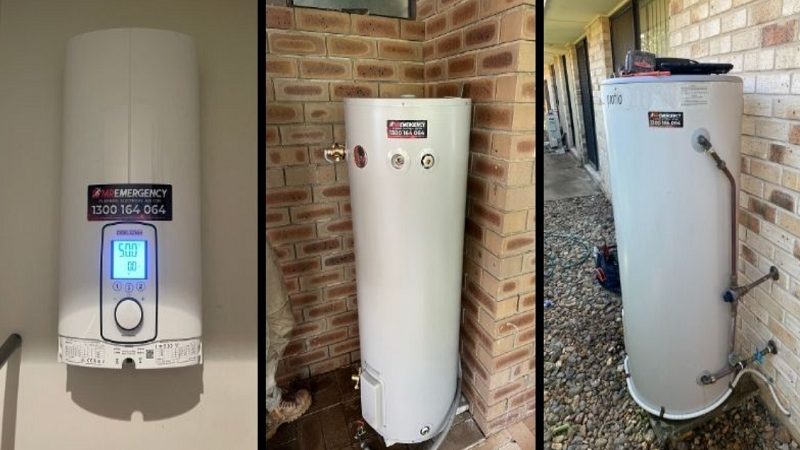
For many households, hot water is one of those things nobody thinks about until it runs cold. Rising energy costs, ageing gas units and a growing interest in all-electric homes have pushed the topic up the list for plenty of homeowners. Moving to an electric hot water system is often simpler than people expect, though it does involve a few more steps than swapping one tank for another. Knowing what happens along the way makes the decision far less intimidating.
Starting With the Right Questions
Before any work begins, it helps to look at how the household actually uses hot water. The number of people, shower habits, laundry loads and dishwasher use all affect what size and type of unit will suit.
Available space matters too. Some homes have room for a large outdoor tank, while apartments or townhouses may need something more compact.
Choosing Between the Main Options
Conventional Storage Tanks
These heat water with an element and keep it ready in an insulated tank. They are familiar, relatively simple and widely available in a range of sizes.
Heat Pump Units
Heat pumps work a bit like a reverse air conditioner, drawing warmth from the surrounding air to heat the water. They generally use less electricity than standard tanks, although the upfront price is usually higher.
Instantaneous Electric Units
These heat water only when a tap is turned on. They suit smaller households or limited spaces but can place heavy demand on the home’s electrical supply.
Checking the Home’s Electrical Setup
One step people often overlook is whether the switchboard can handle the new load. An electrician may need to assess the existing circuits and, in some cases, upgrade the board or run a dedicated circuit.
This is also the moment to discuss tariffs. Some homes can connect the unit to an off-peak or controlled-load tariff, which may reduce running costs depending on the retailer and location.
What Installation Day Looks Like
The Old Unit Comes Out
If the household is moving away from gas, a licensed plumber or gasfitter will disconnect and safely cap the gas line. The old tank is drained and removed, and many installers take care of disposal.
The New System Goes In
The replacement is positioned, connected to the water supply and wired to the electrical circuit. Valves and safety components are fitted, and the system is tested before the job is signed off. Most simple swaps are completed within a day.
Costs, Rebates and Paperwork
Pricing varies widely depending on the type of system, the work required and the property itself. Some state and federal programs offer rebates or incentives for efficient systems such as heat pumps, though eligibility and amounts change over time.
Checking current government websites or asking installers about available schemes before committing can make a noticeable difference.
Living With the New System
Most households adjust quickly. Heat pumps may take a little longer to recover after heavy use, so timing large loads of washing can help. Occasional maintenance, such as checking the relief valve, keeps things running smoothly.
A Practical Step Toward an All-Electric Home
Switching hot water systems is rarely a one-size-fits-all decision, but the process itself is well established. With a clear look at household needs, electrical capacity and available options, the move can be planned with confidence and very few surprises. Click here