
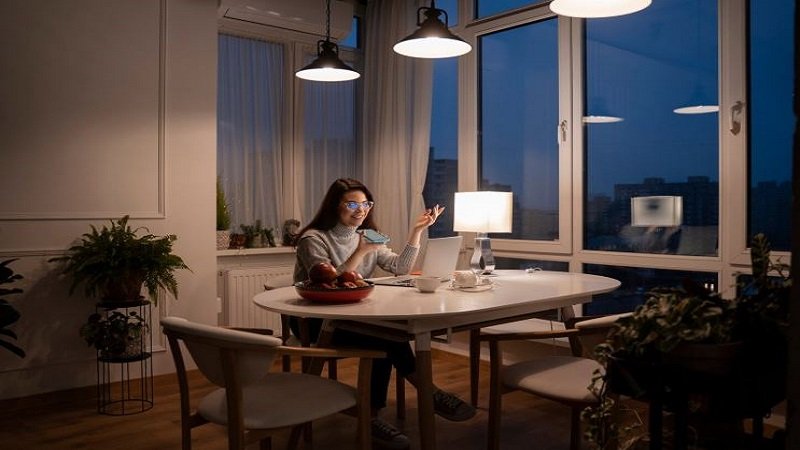
When a room does not quite feel right, most homeowners start looking at the furniture, paint color, flooring, or wall decor. Those elements certainly matter, but there is another part of interior design that is often overlooked until the very end of a decorating project: lighting.
The right lighting can make a room feel warmer, more comfortable, more spacious, or more inviting without changing the basic layout at all. On the other hand, even a beautifully furnished room can feel flat or uncomfortable when it relies on one harsh ceiling fixture to provide all of its illumination.
This is why lighting deserves to be considered as part of the room’s design rather than simply a practical necessity. A thoughtfully planned combination of ceiling fixtures, lamps, wall lighting, natural daylight, and accent pieces can completely change the way a space looks once the sun goes down.
The good news is that improving the lighting in a home does not necessarily mean taking on a major renovation. Sometimes, a few carefully chosen fixtures and a better understanding of how light works within a room are enough to make a noticeable difference.
Start by Thinking About How You Actually Use the Room
Before choosing a new lamp or light fixture, consider what normally happens in the room. A living room used primarily for watching television will have different lighting requirements from one where people regularly read, work on hobbies, entertain guests, or spend time talking in the evening.
The same principle applies throughout the home. A kitchen needs bright, useful illumination around preparation areas, while a bedroom generally benefits from softer light that feels relaxing at night. A home office may need focused task lighting near a desk, whereas a hallway may only require enough light for people to move around safely.
This is one of the simplest ways to avoid buying lighting based entirely on appearance. A beautiful fixture may look perfect in a photograph, but if it does not provide the kind of light the room needs, it may eventually become more decorative than useful.
Start with the activities that take place in the space and then decide where additional light would make those activities easier or more enjoyable.
Why One Light Source Is Rarely Enough
Many homes rely heavily on a central ceiling fixture, particularly in rooms where the original electrical layout has not changed for years. While an overhead light can provide useful general illumination, it often creates a very different atmosphere from a room that has several smaller sources of light.
Layered lighting gives homeowners more control.
Ambient lighting provides general illumination throughout the room, while task lighting can be positioned where a specific activity takes place. Accent lighting can then be used to draw attention toward artwork, architectural details, shelving, plants, furniture, or another feature that deserves more visual attention.
For example, a living room might have an overhead fixture for general use, a floor lamp beside a reading chair, and a table lamp on a sideboard. During the day, natural light may do most of the work, while in the evening, different combinations can be switched on depending on whether the family is watching television, reading, entertaining guests, or simply relaxing.
This approach also means that homeowners do not have to illuminate the entire room at the same intensity every evening. Creating smaller pools of light can make a large room feel more comfortable and a smaller room feel more intimate.
Use Lamps to Introduce Character Without Redecorating
One of the easiest ways to change the appearance of a room without replacing furniture is to introduce a distinctive lamp.
A lamp occupies relatively little space compared with a sofa, dining table, cabinet, or other major piece of furniture, yet it can have a surprisingly strong visual effect. The shade, base, material, shape, and color all contribute to the character of the surrounding space.
This is particularly useful when the larger pieces of furniture are already working well but the room still feels slightly plain.
A decorative lamp can provide a focal point on a console table, bedside table, desk, sideboard, or occasional table. During the day, it functions as part of the decor, while at night it becomes a source of illumination that changes the atmosphere around it.
For homeowners who prefer traditional or character-rich interiors, a stained glass lamp can bring color, texture, and craftsmanship into a room while still serving a practical lighting purpose.
The important thing is to treat the lamp as part of the room rather than as an isolated object. Consider the colors already present in the furniture, artwork, rugs, curtains, and accessories, and look for a fixture that adds something without making the room feel visually crowded.
Match the Light to the Mood You Want
Brightness is only one part of good lighting. The quality and color of the light can have just as much influence on how a room feels.
In areas intended for relaxing, warmer lighting can help create a softer and more comfortable atmosphere. This can work particularly well in living rooms, bedrooms, reading corners, and dining spaces where people are more likely to spend time in the evening.
Brighter lighting has its place too. Kitchens, workspaces, laundry areas, and other practical parts of the home often benefit from stronger illumination because people need to see what they are doing clearly.
The key is flexibility.
Rather than trying to make every room equally bright, consider how the space changes throughout the day. A dining room might need brighter light while food is being prepared or the table is being cleared, but a softer setting may feel more appropriate once everyone is sitting down for a relaxed meal.
Having multiple light sources makes these changes much easier because homeowners can switch individual fixtures on or off instead of relying on one setting for every situation.
Make Natural Light Part of the Plan
Artificial lighting is important, but the best lighting plan begins with understanding the daylight already available.
Look at which windows receive direct sunlight, which areas remain darker during the day, and how the amount of natural light changes from morning to afternoon. Furniture placement, curtains, blinds, wall colors, and even the position of mirrors can affect how daylight moves through a room.
There is no need to make every room extremely bright. Instead, think about where natural light is most useful and where artificial lighting will need to compensate.
For example, a reading chair placed beside a window may benefit from good daylight during the afternoon but still need a nearby lamp for evening use. A darker hallway may need artificial lighting throughout much of the day, while a sunny dining area may require very little additional illumination until later.
Understanding these differences can help prevent homeowners from installing more lighting than they actually need.
Choose Fixtures That Work With the Architecture
Lighting should also relate to the architectural character of the house.
A traditional home may look particularly well suited to fixtures with classic materials, decorative glass, warm metal finishes, or details that echo existing woodwork and trim. A more contemporary interior may benefit from cleaner shapes and simpler silhouettes.
This does not mean every fixture has to match perfectly.
In fact, a room can often feel more interesting when the lighting includes a mixture of related styles rather than an identical fixture in every location. What matters is finding a visual connection between the pieces.
For example, several fixtures might share a similar metal finish while having different shapes, or different lamps might use related colors that appear elsewhere in the room.
This creates consistency without making the interior feel like everything came from the same set.
Use Lighting to Highlight the Parts of Your Home You Like Most
A well-designed room usually contains certain features that deserve more attention than others. These might include artwork, a fireplace, built-in shelving, a textured wall, an interesting piece of furniture, or a collection of objects with personal meaning.
Lighting can help direct attention toward those features.
Accent lighting does not necessarily have to be dramatic. A carefully positioned lamp can illuminate a piece of artwork or create a gentle pool of light around a favorite chair. A wall sconce can draw attention to an architectural detail, while a table lamp can make a console or sideboard feel more intentional.
This is particularly useful in rooms that feel visually flat after dark. Instead of increasing the brightness everywhere, think about which areas you want the eye to notice.
A few well-positioned sources can often accomplish more than a single extremely bright fixture.
Think About Scale Before Buying a Statement Lamp
A common decorating mistake is choosing a lamp based on its appearance without considering its size relative to the furniture around it.
A large lamp can look impressive on a spacious console or substantial side table, but it may overwhelm a narrow surface. Likewise, a very small lamp can disappear when placed next to large furniture or in a room with high ceilings.
Before buying a fixture, measure the surface where it will sit and consider the surrounding furniture.
Think about the height of the sofa, bed, table, shelves, and nearby artwork. A lamp should have enough presence to be noticed, but it should not make the area feel crowded or interfere with normal use of the furniture.
The same principle applies to ceiling fixtures and chandeliers. Their size should relate to the dimensions of the room and the furniture beneath them.
Taking a few measurements before shopping can prevent a great-looking fixture from becoming a frustrating fit.
Use Small Lighting Changes to Refresh a Room on a Budget
Improving a home’s lighting does not have to involve replacing every fixture.
Sometimes the simplest changes can make a noticeable difference. Moving a lamp to another part of the room, replacing an outdated shade, adding a reading light beside a chair, or introducing a small table lamp to a dark corner can change the balance of the space.
Furniture can also be rearranged around the available light. A chair that was previously placed in a poorly lit corner might become much more useful when positioned near a lamp or window.
These small changes are especially valuable for homeowners who want to refresh a room without committing to a major renovation.
Instead of asking, “What furniture do I need to replace?” try asking, “Where does this room need more light?”
The answer may lead to a much simpler and less expensive improvement.
Don’t Forget the Bedroom
Bedrooms often receive less attention when homeowners think about lighting because the room is primarily associated with sleep. However, good bedroom lighting can make the space more comfortable and useful during the hours before bedtime.
A central ceiling fixture can provide general illumination when the room needs to be bright, but bedside lamps are usually much more useful when reading, getting ready for bed, or moving around at night.
A pair of bedside lamps can also create visual balance, although they do not necessarily have to be identical. What matters is that they provide an appropriate amount of light for the people using the room.
A small reading corner can benefit from its own floor or table lamp, while a dresser or vanity may need focused lighting that makes everyday tasks easier.
The goal is to make the room adaptable rather than simply bright.
Pay Attention to Lighting in the Dining Room
Dining rooms are another space where lighting has a strong influence on atmosphere.
A pendant or chandelier positioned above the dining table can establish a visual focal point while providing useful illumination for meals. Additional lamps or nearby accent lighting can then prevent the rest of the room from disappearing into darkness.
The right balance allows the dining area to feel intimate without becoming difficult to use.
If the dining room also functions as a workspace, homework area, or place where children complete projects, the lighting needs may change throughout the day. In that case, having more than one lighting option can be especially helpful.
A room does not have to serve only one purpose, and the lighting should be flexible enough to support that reality.
Let Lighting Add Personality to a Practical Home
The most successful lighting choices are not always the most expensive or dramatic. They are the ones that make sense for the room while adding something personal.
A distinctive lamp can bring color into an otherwise neutral space. A simple floor lamp can make a reading corner feel complete. A pair of sconces can give a hallway more character. A pendant above a dining table can make an ordinary area feel more intentional.
These choices show why lighting should not be treated as an afterthought.
Modern Bungalow’s interior lighting collection, for example, includes a wide range of table lamps, floor lamps, pendants, chandeliers, sconces, and glass fixtures, illustrating how different lighting types can serve different purposes within a home.
The right fixture can therefore do more than illuminate a room. It can help define the room’s personality.
A Better Lighting Plan Starts With Everyday Life
Good home lighting is ultimately less about following a particular trend and more about paying attention to how people actually use their spaces.
Start with the room’s purpose, consider the natural light available, identify areas that need additional illumination, and then combine different types of fixtures to create flexibility. From there, choose pieces that work with the furniture, architecture, and personal style already present in the home.
A room does not need dozens of lights to feel well designed. It simply needs the right light in the right places.
Sometimes that means adding a task lamp beside a reading chair. Sometimes it means replacing a harsh overhead fixture with several softer sources. And sometimes, one distinctive decorative lamp is enough to give a previously overlooked corner a reason to stand out.
When lighting is planned with the same care as furniture and color, it becomes much more than a way to see after dark. It becomes one of the simplest tools a homeowner can use to make a house feel warmer, more functional, and more personal. See more