
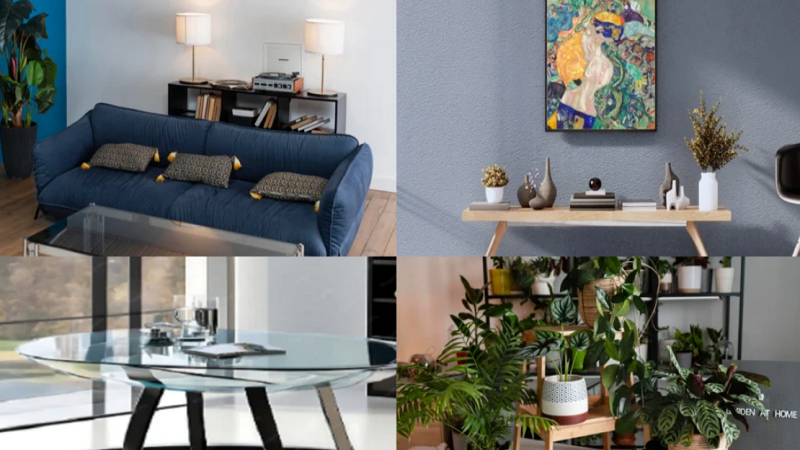
A beautiful room is not automatically a useful room.Good interior design has to work around real routines. People need comfortable furniture, useful storage, suitable lighting, and enough space to move without obstacles.
That practical idea is central to how DrHomey interior design is presented online. Drhomey describes its interior design guidance around furniture layout, color selection, lighting choices, style, and purpose. Its interior design section also covers subjects such as layered lighting, small-space furniture, landscape art, and other ways to improve everyday spaces.
It is worth making one distinction at the start. The phrase “DrHomey interior design” appears across several websites, but there is no strong evidence that it represents a formally recognized interior design methodology or professional certification. For this article, the term refers to the design ideas and guidance published under the DrHomey name.
What Is DrHomey Interior Design?
DrHomey interior design can be understood as a practical approach to improving indoor spaces through thoughtful design decisions.
The focus is not simply on decoration. Room function, furniture placement, color, lighting, storage, materials, and personal preferences all have to work together.
Drhomey describes its mission around creating spaces that are functional, stylish, and inviting. Its About Us page specifically mentions furniture layout, color selection, and lighting as areas of its interior and exterior design guidance.
This makes the concept useful for homeowners who want design ideas without treating every room like a showroom.
A living room should support conversation and relaxation. A bedroom should feel comfortable at night. A home office needs an arrangement that supports focused work.The best design decisions start with those needs.
The Main Principle: Function Before Decoration
One of the easiest mistakes in interior design is buying decorative items before understanding the room.A better process starts with function.
Ask what the room needs to accomplish. Then consider the people using it, the available floor area, the furniture that already exists, and the amount of natural light.Only after those questions should you choose decorative details.
This approach can prevent a common problem. A room may look attractive in photographs but feel uncomfortable during everyday use.
For example, a living room with oversized furniture may look impressive. If people cannot move comfortably around the seating area, the design has failed an important practical test.
Furniture Layout Matters More Than Most Decorations
Furniture determines how people move through a room.Start by identifying the main purpose of the space. In a living room, the seating arrangement may need to encourage conversation. In a bedroom, the bed usually becomes the primary anchor. In a home office, the desk and chair need enough space for comfortable work.
Leave clear paths between important areas.Do not push every piece against a wall simply because the room feels larger that way. Sometimes a piece of furniture can define a zone more effectively when it sits slightly away from the wall.
Drhomey’s interior design content repeatedly connects design with practical use and space planning. Its broader design material also discusses layouts that make better use of available space.
A Simple Furniture Test
Before moving heavy furniture, imagine walking through the room.
Can you reach the door easily?
Can you sit down without blocking another person’s path?
Can cabinet doors and drawers open fully?
Can you clean around the furniture?
These simple questions often reveal layout problems before they become expensive mistakes.
Use Color to Support the Room
Color can change how a room feels, but there is no single palette that works for every home.Start with the room’s purpose.
Soft and restrained colors can work well when you want a calm atmosphere. Stronger colors can add personality to rooms that need more visual energy.
Instead of choosing a wall color in isolation, look at the furniture, flooring, curtains, artwork, and natural light already present.
Drhomey’s published interior design material discusses color as part of the relationship between personal preference, room purpose, and overall design balance.
Do Not Choose Paint First
Paint is important, but it is often easier to coordinate paint with existing furniture than to coordinate every piece of furniture around a paint color.
If you already own a sofa, rug, artwork, or wooden furniture you love, use those pieces as starting points.
Take samples into the actual room.
A color that looks good under a store’s lighting may appear different under your home’s daylight and artificial lighting.
Layer Your Lighting
Lighting is one of the strongest tools in interior design.
A single ceiling light may provide enough brightness, but it can leave the room feeling flat.
A layered approach uses different types of lighting for different purposes.
Ambient Lighting
Ambient lighting provides general illumination.
Ceiling fixtures, recessed lights, and other broad sources can perform this role.
Task Lighting
Task lighting supports specific activities.
A reading lamp beside a chair is one example. Under-cabinet lighting in a kitchen is another.
Accent Lighting
Accent lighting draws attention to selected features.It can highlight artwork, shelving, architectural details, or a particular decorative object.
Drhomey’s recent bedroom lighting guide describes the same three-layer structure of ambient, task, and accent lighting. It also explains how different light sources can support different activities throughout the day.
Make Better Use of Natural Light
Before adding more artificial lighting, examine the daylight already available.Keep windows as unobstructed as practical. Consider how curtains, furniture, mirrors, and wall colors affect the way light moves through the room.
The U.S. Department of Energy explains that daylighting uses windows or skylights to provide natural light and can contribute to energy savings when properly incorporated into a building’s design.Mirrors can also be useful in some spaces.
Drhomey’s plant and interior design guidance notes that mirrors placed near windows can help reflect available natural light around a room.
The goal is not to cover every wall with mirrors.Use them where they solve a specific problem.
Choose Furniture for Both Comfort and Style
Furniture should look good, but appearance should not be the only consideration.Think about how a piece will be used every day.
A dining chair needs to be comfortable enough for meals. A sofa should support the way people actually sit. A desk needs enough surface area for the equipment and materials it must hold.Measure before buying.
Record the room’s dimensions, doorway width, stairway clearance, and available floor space. Then compare those measurements with the furniture’s actual dimensions.
This simple step can prevent one of the most frustrating decorating mistakes: buying a piece that cannot comfortably fit through the door or into the intended space.
Use Texture to Add Depth
A room can have a good color palette and still feel visually flat.Texture helps solve that problem.
Combine materials with different visual and physical qualities. Wood, woven fabric, glass, metal, stone, and soft textiles can create contrast without requiring many different colors.
The goal is balance.Too many competing textures can make a room feel chaotic. Too few can make it feel sterile.A simple combination of smooth, soft, rough, and natural materials can often create enough variation.
Bring Nature Indoors
Plants can add color, texture, and a sense of connection to nature.However, plant selection should match the actual conditions of the room.
Consider available light, temperature, humidity, maintenance requirements, and the eventual size of the plant.
Drhomey’s interior design guidance recommends considering a room’s light levels and design style before choosing plants. It also discusses direct, indirect, low, and artificial lighting conditions for indoor plants.
A plant that looks perfect in a bright photograph may struggle in a dark corner.Choose the plant for the environment rather than choosing the environment for the plant.
Design Small Spaces Around Movement
Small rooms need more planning, not necessarily more furniture.Start by measuring the usable floor area.Then decide which activities must happen in the room.
A compact living room might need seating, storage, and a walkway. A small bedroom might need a bed, clothing storage, and enough clearance to move comfortably.
Multifunctional furniture can help when space is limited.A storage ottoman can provide seating and storage. A desk can serve as a workspace and a study area. Wall-mounted shelves can provide storage without consuming as much floor space.
The important question is not how much furniture can fit.It is how much useful activity can happen comfortably.
Use Storage to Control Visual Clutter
Good storage can improve both appearance and everyday usability.Start by identifying what needs to remain visible and what can be stored away.
Frequently used items should be easy to reach. Less frequently used items can occupy higher or less accessible storage.
Closed cabinets can hide visual clutter. Open shelving can display books, artwork, or selected decorative objects.Do not fill every shelf.Leaving some breathing room can make the room feel more organized.
Drhomey’s luxury interior design guidance also emphasizes storage that combines visual simplicity with practical function, including built-in, hidden, and wall-mounted solutions.
Think About Indoor Comfort, Not Just Appearance
Interior design also affects the everyday environment.Furniture, materials, ventilation, humidity, lighting, and room organization all contribute to how a space feels.
Indoor air quality deserves particular attention during renovations and redesigns.
The U.S. Environmental Protection Agency recommends controlling pollution sources, providing adequate ventilation, and using filtration when appropriate to improve indoor air quality.
That means a stylish renovation should not ignore practical issues such as ventilation and moisture.
For example, kitchen and bathroom ventilation can help manage moisture and indoor pollutants. The EPA also recommends maintaining appropriate indoor humidity and addressing moisture problems.
Personalize the Space
A room should look like it belongs to the people who live there.Personalization can come from artwork, photographs, books, collected objects, textiles, or furniture with personal meaning.
You do not need to display everything you own.Select pieces that contribute something to the room.
A favorite photograph can become a focal point. A handmade object can add texture. A family chair can provide character that a mass-produced decorative piece cannot replicate.
Drhomey’s design material places emphasis on personal style and creating interiors that reflect the people who use them.
Avoid Following Every Interior Design Trend
Trends can provide inspiration.They should not control every design decision.
A room designed entirely around a short-lived trend can become dated quickly. Large purchases deserve more consideration than inexpensive accessories.
For permanent elements such as flooring, cabinetry, and major furniture, prioritize durability and suitability for your lifestyle.
Use smaller items to experiment.Changing cushions, artwork, lampshades, or accessories is usually easier than replacing a sofa or kitchen.This creates flexibility without requiring a complete redesign whenever preferences change.
A Practical DrHomey Interior Design Process
If you want to apply these ideas to your own home, use a simple sequence.
Step 1: Define the Room’s Purpose
Write down what you actually do in the room.
Do not design around an imaginary lifestyle.
Step 2: Measure the Space
Record wall lengths, ceiling height, doors, windows, and fixed features.
Step 3: Check Natural Light
Notice where daylight enters and how it changes during the day.
Step 4: Plan Furniture
Place the essential furniture first.
Make sure movement remains comfortable.
Step 5: Choose a Color Direction
Use existing furniture and materials as reference points.
Step 6: Add Lighting Layers
Plan ambient, task, and accent lighting according to the room’s activities.
Step 7: Add Texture and Personality
Introduce textiles, plants, artwork, and meaningful objects.
Step 8: Review the Room
Stand back and ask whether the space works better than it did before.
If a decorative item does not improve the room, remove it.
A Quick Room-by-Room Checklist
| Room | Priority | Useful Design Focus |
|---|---|---|
| Living room | Comfort and movement | Seating, lighting, storage |
| Bedroom | Rest and privacy | Bed placement, soft lighting, storage |
| Kitchen | Efficiency | Work areas, task lighting, organization |
| Bathroom | Function and moisture control | Ventilation, lighting, durable materials |
| Home office | Focus and ergonomics | Desk position, task lighting, cable management |
| Entryway | Organization | Storage, lighting, easy movement |
The priorities differ because rooms perform different jobs.That is why a single design formula rarely works for an entire home.
What Makes This Approach Useful?
The strongest part of the DrHomey interior design concept is its emphasis on combining appearance with practical use.
The official Drhomey site presents interior design as guidance around furniture layout, colors, lighting, and personal style. Its current interior design section also includes focused articles on lighting, small spaces, and decorative elements.That gives readers a useful starting point.
The important limitation is that readers should not assume every statement published on third-party websites about “DrHomey” represents an official Drhomey position.
Several websites currently use the phrase “DrHomey interior design” in SEO-focused articles. Their descriptions vary, and some make claims that are not independently established by the official site.
For accuracy, it is better to treat the official Drhomey material as the primary source when describing what the platform itself publishes.
Final Takeaway
DrHomey interior design is best approached as a practical collection of home design ideas rather than a formal design system.The useful principles are straightforward.
Start with how the room will be used. Plan furniture around movement. Choose colors that work with the existing space. Layer lighting for different activities. Use storage to reduce clutter. Add natural elements where conditions allow. Then personalize the room with things that matter to you.The result does not need to be expensive or trend-driven.A successful interior is one that looks good, works well, and feels appropriate for the people who live there. Click here