
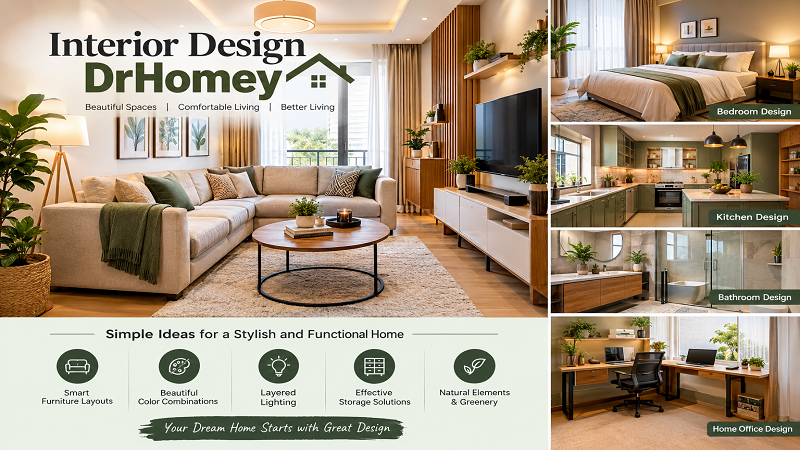
Interior design is about more than choosing attractive furniture or following the latest decorating trends. A well-designed home should feel comfortable, look inviting, and support the everyday needs of the people who live in it. Interior design DrHomey is a keyword associated with online home design inspiration and practical ideas for creating stylish, functional living spaces. The concept emphasizes thoughtful furniture placement, balanced colors, suitable lighting, and smart use of available space.
Whether you are decorating a new house, updating a single room, or making small improvements on a limited budget, understanding basic interior design principles can help you make better decisions. With the right approach, even a simple room can become more organized, welcoming, and visually appealing.
What Is Interior Design DrHomey?
Interior design DrHomey refers to home design ideas and guidance associated with the DrHomey name. Online content using this term discusses ways to improve indoor spaces through decoration, furniture selection, lighting, color combinations, and practical room planning.
The main idea is to balance appearance with functionality. A beautiful living room, for example, should not only look attractive but also provide enough seating, comfortable movement, and convenient access to everyday items. Similarly, a bedroom should support relaxation while offering adequate storage and useful lighting.
Rather than treating DrHomey as a formally recognized interior design style, it is more accurate to understand it as a term used in online home design content. Homeowners can apply general interior design principles to create spaces that reflect their personal preferences, available budgets, and lifestyles.
Why Is Good Interior Design Important?
A thoughtfully designed home can improve everyday comfort and make ordinary activities easier. The arrangement of furniture, quality of lighting, and use of storage all influence how a room feels and functions.
Creates a Comfortable Living Environment
Comfort should be one of the main priorities when designing a home. Furniture needs to suit the room, seating should provide proper support, and walkways should remain clear. Soft furnishings, suitable colors, and pleasant lighting can also make indoor spaces feel more relaxing.
Makes Better Use of Available Space
Not every home has large rooms or extensive storage. Effective space planning helps homeowners use the available area without making it feel crowded. Multifunctional furniture, wall-mounted shelves, and carefully arranged seating can be especially helpful in apartments and smaller houses.
Reflects Personal Style
Interior design allows people to express their preferences through colors, artwork, furniture, fabrics, and decorative accessories. Some homeowners prefer modern minimalism, while others enjoy traditional furniture or a combination of different styles. The best choice is one that feels personal and remains practical.
Improves Organization
A well-organized home is easier to maintain. Storage cabinets, baskets, shelves, and designated places for everyday belongings help reduce clutter. Keeping frequently used items accessible can also make daily routines more efficient.
Essential Interior Design Principles for Every Home
Understanding a few basic principles can help homeowners make more confident decorating decisions.
1. Choose a Balanced Color Palette
Color affects the visual character of a room. Light neutrals, including white, beige, and soft gray, can create a calm background. Darker shades can add depth, while carefully selected accent colors introduce personality.
A practical approach is to choose one dominant color, one complementary shade, and a smaller number of accent colors. For example, a living room might combine warm white walls, natural wood furniture, and muted green cushions.
Before painting an entire room, test color samples under the lighting conditions in that space. The same shade can look different in natural daylight and under warm artificial lighting.
2. Arrange Furniture According to the Room’s Purpose
Furniture placement should support the activities that take place in each room. In a living room, seating can be arranged to encourage conversation. In a bedroom, the bed should usually serve as the main visual feature while leaving enough room to move around it.
Avoid filling every available corner with furniture. Leaving some open space makes a room easier to navigate and helps individual pieces stand out.
When planning a layout, measure the room and the furniture before purchasing large items. This simple step can prevent expensive mistakes.
3. Use Lighting in Layers
Lighting is essential for both functionality and atmosphere. A well-designed room often benefits from three types of lighting.
- Ambient lighting: Provides general illumination through ceiling lights or other main fixtures.
- Task lighting: Supports specific activities, such as reading, cooking, studying, or working.
- Accent lighting: Highlights artwork, architectural details, shelves, or decorative objects.
Combining these sources makes a room more flexible. A bedroom, for example, may use a ceiling fixture for general lighting and bedside lamps for reading.
Whenever possible, make good use of natural daylight. Suitable curtains, clean windows, and unobstructed window areas can help brighten indoor spaces.
4. Select Furniture That Fits Your Lifestyle
Furniture should match both the dimensions of the room and the needs of the household. A large sofa might suit a spacious living room but overwhelm a smaller apartment.
Consider durability, comfort, maintenance, and storage before making a purchase. Families with children or pets may prefer easy-to-clean fabrics and sturdy materials. People working from home may benefit from an ergonomic chair and a desk with sufficient workspace.
Choosing fewer, more useful pieces can sometimes produce a better result than filling a room with decorative furniture.
5. Add Texture and Decorative Details
Textures create visual interest and help a room feel more inviting. Wood, woven fabrics, soft rugs, linen curtains, and textured cushions can add depth without requiring major renovations.
Decorative objects should complement the overall design rather than compete for attention. A few carefully selected pieces, such as artwork, plants, or a decorative lamp, may have a stronger effect than numerous unrelated accessories.
Interior Design Ideas for Different Rooms
Every room serves a different purpose, so its design should reflect how people use it.
Living Room Design
The living room is often a central gathering space for family members and guests. Start by identifying the main activity, whether that is conversation, watching television, reading, or entertaining visitors.
Arrange seating to support that activity and maintain comfortable walking paths. Use a consistent color palette, add suitable lighting, and introduce a few decorative accents. A rug can help visually define the seating area, provided it fits the furniture arrangement.
Bedroom Design
A bedroom should feel restful and organized. Choose comfortable bedding, calming colors, and lighting that can be adjusted for different activities. Bedside tables provide convenient storage, while wardrobes and under-bed organizers can help manage clothing and personal belongings.
Avoid unnecessary clutter around the bed. Keeping the sleeping area simple can make the room feel more peaceful and easier to clean.
Kitchen Design
A functional kitchen needs an efficient arrangement of work surfaces, storage, and appliances. Frequently used utensils and ingredients should be easy to reach, while less commonly used items can be stored elsewhere.
Good task lighting is particularly important around food preparation areas. Durable, easy-to-clean surfaces can also make maintenance simpler. Before changing a kitchen layout, consider plumbing, electrical requirements, ventilation, and the available budget.
Bathroom Design
Bathroom design should prioritize hygiene, safety, and moisture resistance. Adequate ventilation helps manage humidity, while practical shelves and cabinets keep toiletries organized.
Choose suitable lighting around mirrors and consider slip-resistant flooring where appropriate. Light colors and reflective surfaces may help a small bathroom feel brighter, although good lighting and an uncluttered layout are equally important.
Home Office Design
A home office should support concentration and comfortable working. Position the desk where lighting is suitable and screen glare can be controlled. Choose a supportive chair, organize cables, and keep essential supplies within reach.
If space is limited, a compact desk, vertical storage, and multifunctional furniture can create a useful workspace without taking over the entire room.
Budget-Friendly Interior Design Tips
Creating an attractive home does not always require expensive furniture or major renovations. Small, deliberate improvements can make a noticeable difference.
Refresh the existing space first. Rearrange furniture, remove unnecessary clutter, and identify what is already working before buying anything new.
Update soft furnishings. New cushion covers, curtains, bedding, or a well-sized rug can change the appearance of a room without replacing large furniture pieces.
Improve lighting. Suitable bulbs and well-positioned lamps can make a room more pleasant and functional. Choose lighting appropriate for each activity rather than relying on one bright fixture.
Use wall space wisely. Shelves, mirrors, and artwork can add character or storage without occupying much floor area. Make sure wall-mounted items are installed securely.
Shop with a plan. Establish a budget, measure the room, and compare materials before purchasing. Prioritize essential furniture and repairs before optional decorations.
These strategies help homeowners spend money where it has the greatest practical impact.
Common Interior Design Mistakes to Avoid
Even attractive design ideas can fail when they are not suited to the space. Avoiding a few common mistakes can improve the final result.
- Buying furniture before measuring: Oversized furniture can restrict movement and make a room feel cramped.
- Using too many colors: An inconsistent palette can make the overall design feel disconnected.
- Ignoring lighting: A beautifully decorated room may still feel uncomfortable if it is poorly illuminated.
- Overdecorating: Too many accessories can create clutter and make cleaning more difficult.
- Following trends without considering practicality: A popular style may not suit your lifestyle, budget, or maintenance preferences.
- Ignoring storage: Insufficient storage can quickly undermine an otherwise attractive interior.
The goal is not to follow every design trend. It is to create a space that remains comfortable, useful, and visually consistent over time.
How to Plan an Interior Design Project
A simple plan can make decorating more manageable and reduce unnecessary spending.
- Identify your needs: Decide what each room must accommodate and which problems need to be solved.
- Measure the space: Record room dimensions, window positions, doorways, and existing fixtures.
- Set a realistic budget: Separate essential purchases from optional upgrades.
- Choose a design direction: Select colors, materials, furniture styles, and lighting that work together.
- Plan the layout: Arrange major furniture pieces before deciding where smaller accessories will go.
- Make changes gradually: Complete essential improvements first, then add decorative details.
- Review the result: Check comfort, movement, lighting, and storage after the main changes are complete.
Following these steps helps keep the project organized and makes it easier to adjust decisions when circumstances change.
Frequently Asked Questions
What does interior design DrHomey mean?
Interior design DrHomey is a search term associated with home design inspiration and practical decorating guidance published under the DrHomey name. The term is commonly connected with furniture arrangement, colors, lighting, room planning, and functional living spaces.
Can I improve my home interior on a small budget?
Yes. Rearranging furniture, improving lighting, organizing clutter, refreshing soft furnishings, and repainting selected surfaces can improve a room without requiring a complete renovation.
Which colors work best for modern interiors?
White, beige, gray, and other neutral shades provide flexible backgrounds for many interior styles. Natural wood tones and carefully selected accent colors can add warmth and character. The best combination depends on the room’s lighting, size, and intended atmosphere.
How can I make a small room look bigger?
Use appropriately sized furniture, maintain clear walkways, reduce unnecessary clutter, and make good use of natural light. Mirrors and lighter wall colors may also help create a brighter visual impression.
What should I consider before buying furniture?
Measure the room, check the furniture dimensions, consider comfort and durability, and make sure the piece supports the room’s purpose. It is also important to account for delivery access and the available budget.
Is interior design DrHomey a specific decorating style?
The available online material does not establish DrHomey as a formally recognized interior design style. It is more appropriately understood as a term used for practical home design advice and inspiration.
Conclusion
Interior design DrHomey is associated with practical ideas for making homes more attractive, comfortable, and functional. By focusing on suitable colors, thoughtful furniture placement, effective lighting, useful storage, and personal preferences, homeowners can improve their living spaces without automatically committing to expensive renovations.
The most successful interior is not necessarily the most luxurious or fashionable. It is the one that meets the household’s needs, makes everyday activities easier, and feels welcoming over time. Start with the improvements that matter most, plan purchases carefully, and build a consistent design gradually. With thoughtful choices, even small changes can help create a home that feels more organized, comfortable, and personal. Click here