
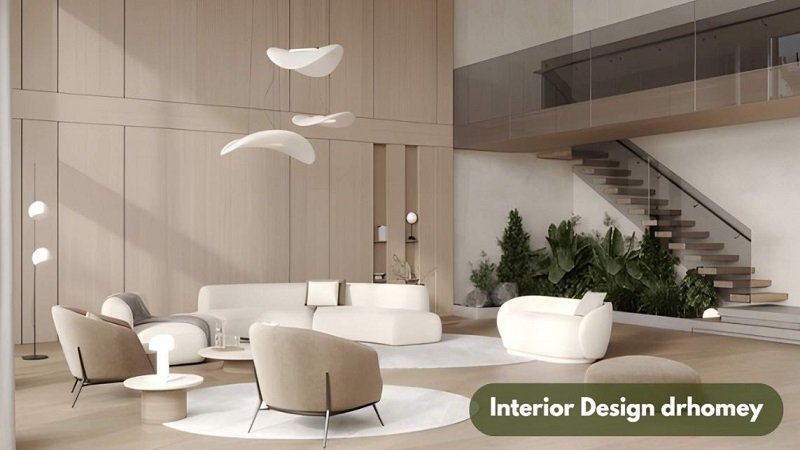
A beautiful home is not necessarily an expensive one. The right furniture arrangement, comfortable colors, useful lighting, and thoughtful decoration can make an ordinary room feel more welcoming. DrHomey interior design focuses on these practical ideas, helping readers explore ways to create attractive and functional living spaces.
The DrHomey name appears on websites publishing home decoration, interior design, and improvement advice. Its design-related content covers subjects such as living room arrangements, bedroom decoration, furniture choices, lighting, and small-space solutions. It is best understood as a source of design inspiration rather than a formally recognized interior design style.
Whether you are refreshing one room or planning changes throughout your home, this guide explains how to apply practical design principles without making unnecessary purchases.
What Is DrHomey Interior Design?
DrHomey interior design refers to interior decoration ideas and home improvement guidance published under the DrHomey name.
The central idea is to make living spaces look attractive while keeping them comfortable and useful. Instead of focusing only on expensive furniture or fashionable decorations, this approach considers how people actually use their homes.
The main areas include:
- Furniture arrangement: Organizing furniture to make rooms easier to use.
- Color selection: Choosing shades that work together and suit the room.
- Lighting: Combining natural light with suitable indoor fixtures.
- Space organization: Making better use of available floor and storage space.
- Home decoration: Adding artwork, rugs, plants, and accessories thoughtfully.
- Room functionality: Designing spaces around everyday activities.
DrHomey.com publishes interior design content covering these subjects, including room layouts and practical decorating ideas.
Why Functionality Matters in Interior Design
A room can look impressive in photographs but still be uncomfortable to use.
For example, a living room with oversized furniture may look luxurious, but it can become difficult to walk through. A bedroom with too many decorative items may feel crowded and make everyday organization harder.
Good interior planning starts with understanding how a room will be used.
Before purchasing furniture or decorations, consider:
- Who regularly uses the room?
- What activities take place there?
- How much walking space is needed?
- Where should storage be located?
- Which areas need natural or artificial lighting?
These questions help prevent design decisions that look attractive but create practical problems.
Residential interior design references also emphasize ergonomics, accessibility, circulation, and the relationship between furniture and everyday activities.
7 Practical DrHomey Interior Design Ideas
Choose a Balanced Color Scheme
Color affects how a room looks and how its different elements work together.
A simple color scheme can help create a consistent appearance without making decoration complicated.
Start with three basic elements:
- Main color: Use a dominant shade for walls or larger surfaces.
- Secondary color: Introduce another shade through furniture, curtains, or rugs.
- Accent color: Add smaller touches through cushions, artwork, or accessories.
For example, a living room with warm white walls, beige furniture, and muted green accessories can feel coordinated without requiring expensive decoration.
Before painting an entire room, test a small sample on the wall. Natural and artificial lighting can change how a paint color appears throughout the day.
Arrange Furniture Around Movement
Furniture placement should support movement rather than block it.
Start by identifying doors, windows, walkways, and frequently used areas. Then position larger furniture pieces before adding smaller decorations.
For a living room, you could:
- Place the sofa where it does not block the main walkway.
- Position chairs to encourage conversation.
- Keep frequently used tables within comfortable reach.
- Avoid placing large furniture in front of important windows.
- Leave enough room to move between seating areas.
Do not choose furniture based only on its appearance in a showroom. Measure your room and check the dimensions of each item before buying.
Make Natural Light Work for You
Natural light can make an interior feel more open and pleasant.
Avoid placing unnecessary objects in front of windows. Choose curtains that provide privacy without blocking more daylight than necessary.
Mirrors can also help distribute existing light around a room when positioned thoughtfully.
However, consider glare and heat as well. A room receiving strong afternoon sunlight may need suitable window coverings to maintain comfort.
Natural Resources Canada’s home lighting guide explains how lighting arrangements should be planned around people, room activities, and the architecture of a space.
Use Different Types of Lighting
One ceiling light is not always enough to make a room comfortable.
A more useful lighting plan combines several layers.
| Lighting type | Main purpose | Example |
|---|---|---|
| Ambient | General room illumination | Ceiling light |
| Task | Supporting specific activities | Reading lamp |
| Accent | Highlighting selected features | Picture light |
| Decorative | Adding visual interest | Pendant fixture |
For example, a bedroom might use a ceiling fixture for general lighting, bedside lamps for reading, and a small accent light to highlight artwork.
Separate switches or dimmers can make lighting more flexible.
Use Storage to Reduce Clutter
A tidy room often feels more spacious because its surfaces and walkways remain clear.
You do not need a large renovation to improve storage.
Consider:
- Storage boxes for seasonal belongings.
- Shelves for books and decorative objects.
- Bedside tables with drawers.
- Cabinets that use vertical space.
- Furniture with built-in storage where appropriate.
Choose storage according to what you actually own. Buying additional cabinets without planning their contents can create more clutter rather than solve it.
Add Texture Through Simple Decorations
A room can feel plain when every surface has the same finish.
Texture adds visual interest without requiring several competing colors.
Consider combining:
- Soft cushions.
- Textured curtains.
- Wooden furniture.
- Woven baskets.
- Natural-fiber rugs.
- Simple ceramic decorations.
The goal is to create contrast while maintaining a consistent appearance.
Avoid filling every empty surface. Leaving some space around decorations helps individual pieces stand out.
Personalize the Space
A home should reflect the people who live in it.
Family photographs, artwork, meaningful objects, favorite books, and carefully selected accessories can make a room feel personal.
Choose items that have a purpose or genuine meaning rather than purchasing decorations simply because they are popular.
A personalized room does not need to follow one particular trend. It should feel comfortable to the people using it.
DrHomey Interior Design Ideas for Different Rooms
Every room has different requirements. A design that works in a living room may not be appropriate for a kitchen or bedroom.
Living Room Design
The living room often supports several activities, including relaxing, watching television, entertaining guests, and spending time with family.
A practical arrangement should provide comfortable seating and clear movement.
Useful ideas include:
- Arrange seating around a shared focal point.
- Choose a rug that relates appropriately to the seating arrangement.
- Use side tables for everyday items.
- Combine general and reading lighting.
- Avoid overcrowding the room with decorative furniture.
For smaller living rooms, consider furniture with a compact footprint.
Bedroom Design
A bedroom should support rest, privacy, and convenient storage.
Start by positioning the bed in a way that allows comfortable access. Keep frequently used belongings near the bed and avoid filling the room with unnecessary furniture.
Useful improvements include:
- Comfortable bedding.
- Soft, coordinated colors.
- Bedside lighting.
- Practical wardrobe storage.
- Curtains suited to the room’s privacy and daylight needs.
A calm and organized bedroom can be more useful than one filled with decorative accessories.
Kitchen Design
Kitchen design should prioritize practical movement and convenient access to everyday items.
Consider the location of the sink, cooking area, refrigerator, preparation surfaces, and storage.
Helpful ideas include:
- Keep frequently used cooking items accessible.
- Provide suitable lighting over preparation areas.
- Organize cabinets according to their contents.
- Avoid obstructing work surfaces.
- Choose easy-to-clean materials for frequently used areas.
Kitchen layouts should also account for appliance dimensions, ventilation, plumbing, and electrical requirements.
Bathroom Design
Bathrooms often have limited floor space, so organization matters.
Wall-mounted storage, suitable shelving, and well-planned lighting can help make the room easier to use.
Consider moisture-resistant materials and products designed for bathroom environments.
Electrical installations and wet-area renovations should be handled according to applicable local safety requirements.
Home Office Design
A home office should support concentration and comfortable daily use.
Start with a suitable desk, supportive seating, and sufficient lighting.
Keep frequently used equipment within reach and organize cables to reduce clutter.
If the office shares space with another room, use shelving or furniture placement to create a clear working area.
How to Decorate a Small Home Without Making It Feel Crowded
Small spaces need careful planning because every large furniture item affects movement and storage.
The following ideas can help:
Choose appropriately sized furniture. A large sofa may consume too much of a small living room. Measure the available space before choosing furniture.
Use vertical storage. Shelves and wall-mounted cabinets can help free up floor space.
Keep walkways clear. Avoid placing decorative items where people regularly walk.
Use mirrors carefully. A well-positioned mirror can reflect daylight and create a greater sense of openness.
Limit unnecessary accessories. Select a few meaningful decorative items rather than filling every available surface.
Choose flexible furniture. Folding tables, storage benches, and multifunctional furniture can be useful where space is limited.
The most important principle is to plan around the room’s actual dimensions rather than copying a design photograph.
How to Create a DrHomey-Inspired Interior Design Plan on a Budget
Improving a home does not always require replacing furniture or undertaking a complete renovation.
A step-by-step plan can help you spend money where it makes the greatest practical difference.
Identify the Main Problem
Decide what you want to improve.
It might be poor lighting, insufficient storage, uncomfortable seating, outdated wall colors, or a crowded layout.
Measure the Room
Record the room’s length, width, ceiling height, door positions, and window locations.
Also measure furniture you plan to keep.
Set a Realistic Budget
Divide your budget into categories such as furniture, paint, lighting, storage, and decoration.
Leave some money available for unexpected costs.
Prioritize Essential Improvements
Fix functional problems before purchasing decorative accessories.
For example, improving poor lighting or replacing uncomfortable seating may be more valuable than buying several decorative items.
Make Changes Gradually
Complete one improvement at a time.
Check how each change affects the room before spending more money.
This approach reduces unnecessary purchases and makes it easier to adjust your plan.
Common Interior Design Mistakes to Avoid
Even a carefully decorated room can become uncomfortable when important practical details are overlooked.
| Mistake | Better approach |
|---|---|
| Buying furniture without measuring | Measure the room and furniture first |
| Using only one light source | Combine suitable lighting layers |
| Choosing colors without testing samples | Check paint samples in different lighting |
| Blocking walkways | Plan furniture around movement |
| Buying excessive decorations | Keep accessories purposeful |
| Ignoring storage | Plan storage before filling the room |
| Following every trend | Choose designs that suit everyday needs |
A good interior is not about following every fashionable idea. It is about making choices that work together.
How to Decide Whether to Hire an Interior Designer
Some home improvements are manageable without professional assistance. Others require technical planning and specialist knowledge.
A DIY approach may be suitable for simple tasks such as changing accessories, rearranging furniture, or selecting decorative colors.
Professional advice may be useful when a project involves:
- Moving walls or changing room layouts.
- Major kitchen or bathroom renovations.
- Electrical or plumbing changes.
- Custom furniture and cabinetry.
- Accessibility improvements.
- Complex lighting plans.
Before hiring anyone, ask for a written scope of work, project costs, expected timelines, qualifications, and examples of relevant completed projects.
Do not assume that a website publishing interior design articles automatically offers verified professional design services.
What is DrHomey interior design?
DrHomey interior design refers to home decoration ideas and practical design guidance published under the DrHomey name. Its topics include furniture placement, room layouts, lighting, colors, and home improvement.
Is DrHomey interior design a professional design style?
There is no independently established evidence that DrHomey is a formally recognized interior design style. It is better understood as a collection of home design ideas and guidance.
What are the main principles of DrHomey interior design?
The main themes include functionality, comfort, thoughtful furniture placement, suitable color combinations, effective lighting, and practical storage.
Can I use DrHomey interior design ideas on a budget?
Yes. You can start with low-cost changes such as rearranging furniture, improving lighting, organizing storage, and updating decorative accessories.
How can I make a small room look bigger?
Use appropriately sized furniture, maintain clear walkways, reduce clutter, use vertical storage, and position mirrors to reflect available light.
What colors work well for modern interiors?
Neutral shades such as white, beige, cream, and light gray can provide a flexible foundation. Accent colors can introduce personality and contrast.
Does DrHomey cover exterior design?
DrHomey websites also publish content about exterior design, outdoor spaces, entrances, landscaping, and home improvement.
Should I hire an interior designer?
Professional help may be valuable for major renovations, complex layouts, electrical changes, custom cabinetry, and projects requiring technical planning.
Final Thoughts
DrHomey interior design is a useful search topic for people looking for practical home decoration and improvement inspiration.
The most valuable design ideas are often straightforward: arrange furniture thoughtfully, choose coordinated colors, make better use of lighting, improve storage, and keep rooms comfortable for everyday activities.
You do not need to change everything at once. Start with one room, identify what is not working, and make improvements according to your space and budget.
A well-designed home should not only look attractive. It should make everyday living easier. Click here