
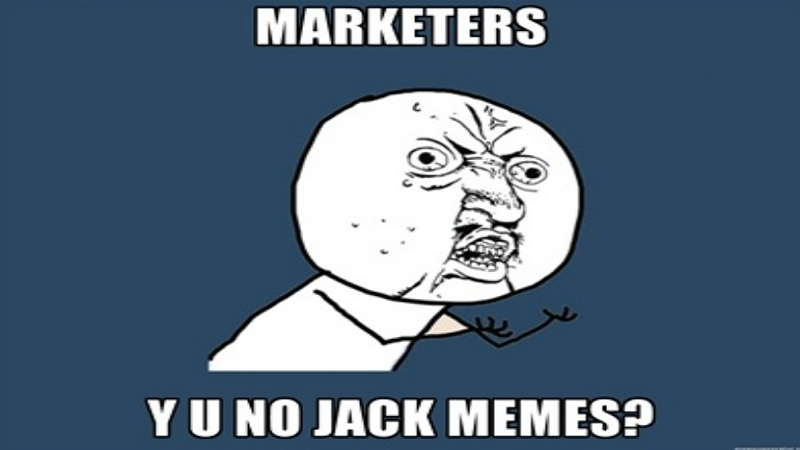
Memes have become one of the most recognizable forms of communication on the internet. A single image paired with a few well-chosen words can capture a feeling, explain a situation, or make someone laugh in seconds. More importantly for brands and creators, a good meme can travel far beyond the audience that originally saw it.
But making a meme that gets shared isn’t simply a matter of adding text to a funny picture. The best memes understand their audience, respond to a recognizable moment, and communicate an idea quickly. When those pieces come together, even a simple image can become a powerful piece of social content.
Why Memes Work So Well
The appeal of memes comes down to familiarity and speed. People scroll through social feeds quickly, and content that can be understood almost instantly has a natural advantage.
A successful meme often reflects something people have already experienced. It might be about working from home, waiting for an email response, dealing with Monday mornings, trying to save money, or struggling with a familiar technology problem.
That sense of recognition creates an immediate connection. Someone sees the meme and thinks, “That’s exactly me.” Sharing it becomes an easy way to express an emotion without having to explain it themselves.
For businesses, this creates an interesting opportunity. Instead of constantly telling audiences what a brand stands for, memes can show that the brand understands the people it wants to reach.
Start With the Idea, Not the Image
One of the most common mistakes beginners make is choosing a popular image first and trying to figure out the joke afterward.
It’s usually better to work in the opposite direction.
Start by asking what you want the meme to communicate. Is it a relatable observation? A reaction to an industry trend? A playful comment about a customer problem? Once you have the idea, choose a visual that supports it.
For example, imagine a software company wants to create content about unexpected bugs appearing right before a product launch. The humor comes from the situation itself. The image simply gives that idea a recognizable visual expression.
This approach also makes your content more intentional. You’re not using a meme format just because it’s popular; you’re using it because it helps communicate something specific.
Keep the Message Simple
A meme doesn’t have much time to make an impression.
If someone needs to read a paragraph before understanding the joke, you’ve probably made the message too complicated. Strong memes tend to focus on one idea, one emotion, or one recognizable situation.
A useful test is to show your draft to someone without explaining it. If they understand the basic joke immediately, you’re on the right track. If you find yourself explaining what the meme is supposed to mean, simplify it.
Short text usually works better than crowded captions. Think of the image and words as working together rather than competing for attention.
Choose Visuals That Match the Emotion
The image you select should support the feeling behind the message.
A confused facial expression might work for a joke about technical problems. An exaggerated celebration could fit a small victory. A dramatic reaction can turn an ordinary inconvenience into something more entertaining.
You don’t necessarily need an elaborate design. In fact, overly polished graphics can sometimes make a meme feel more like an advertisement than something people would naturally share.
If you want to experiment with different formats, an online create your own meme tool can make it easier to combine familiar visuals with your own captions and ideas.
The goal isn’t perfection. It’s making something that feels natural to the platform and audience you’re targeting.
Make It Relevant to Your Audience
A meme can be funny and still fail because it’s aimed at the wrong people.
Think about the language, references, frustrations, and inside jokes your audience understands. A meme aimed at developers might reference deployment problems or endless debugging. A marketing audience might relate more to campaign deadlines, changing algorithms, or last-minute client requests.
The closer the joke is to your audience’s real experiences, the more likely they are to engage with it.
This is especially important for brands. Trying too hard to sound “internet cool” can quickly become awkward. Authenticity matters more than chasing every new slang term or viral format.
Know When to Follow a Trend
Trending meme formats can provide a useful boost because people already recognize the visual language.
However, trends move quickly. By the time a brand notices a meme format, approves the content, and publishes it, the moment may already be fading.
Instead of copying a trend exactly, consider adapting the underlying idea to your niche.
For example, if a reaction format is popular, a cybersecurity company could use it to describe a common security mistake. A project management platform could apply the same format to missed deadlines. The structure stays familiar, but the message becomes relevant to the brand’s audience.
That makes the content feel timely without looking like a forced attempt to go viral.
Don’t Forget About Brand Consistency
Memes are casual, but that doesn’t mean they have to exist completely outside your brand identity.
You can maintain consistency through recurring themes, language, visual elements, or the types of situations you cover. A brand that regularly posts witty observations about workplace life, for example, can develop a recognizable personality without putting its logo on every image.
The trick is subtlety.
If every meme looks like an advertisement, people may stop treating it as entertainment. Let the content stand on its own first. The connection to your brand can be more understated.
Use Memes as Part of a Bigger Content Strategy
Memes work particularly well when they’re combined with other forms of content.
A company could use a meme to introduce a topic, then follow it with a more detailed educational post. A creator could turn a popular meme idea into a short video. A newsletter could use a humorous image to break up a more serious section of content.
This creates variety without abandoning the core message.
Memes can also provide useful signals about your audience. Pay attention to which jokes receive comments, shares, and saves. The responses can reveal what problems, emotions, or topics resonate most strongly with your community.
Test, Learn, and Improve
Not every meme will perform well, and that’s completely normal.
One post might receive thousands of impressions while another barely gets noticed. Instead of judging your strategy based on one result, look for patterns over time.
Compare different formats, topics, captions, and posting times. Notice whether relatable workplace humor performs better than industry-specific jokes. See whether simple images outperform heavily edited designs.
Most importantly, pay attention to shares. Likes can show that people enjoyed something, but shares often indicate that the content was relatable enough for someone to pass along to another person.
Final Thoughts
A great meme doesn’t need a complicated concept, expensive production, or a massive audience behind it. It needs a clear idea, a relatable observation, and a format that people can understand almost instantly.
When you focus on your audience instead of chasing virality, memes become more than disposable jokes. They can help brands build personality, start conversations, strengthen communities, and make otherwise ordinary content much more memorable.